
Table of Contents
The Pain of Traditional Footings
Contractor Yann Oliveira harbors harsh memories of digging 4-foot-deep footing holes for deck projects amid wintry New England weather, idling a day or more to wait for inspections, and then mixing, lugging, and pouring wet, cold concrete to fill footing forms.
“Oh, it’s messy,” Oliveira says. “Nobody wants to work with concrete and water in the winter. That’s not a good time.”
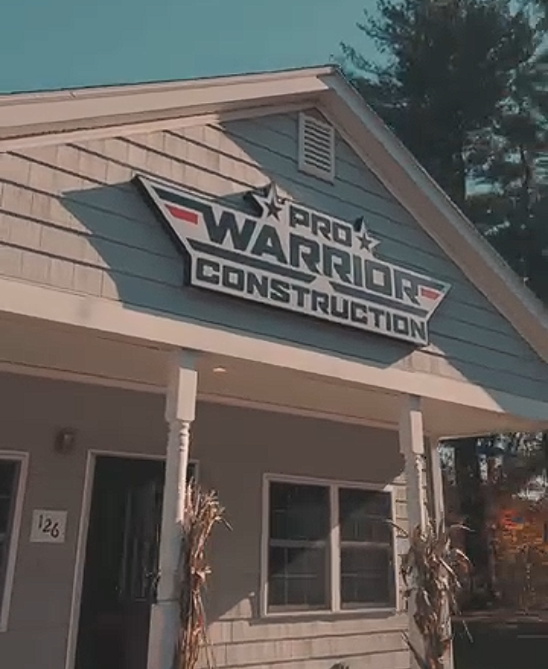
But those recollections of cold discomfort – and, more importantly, lost time and money – have been bygone worries since about five years ago, when Oliveira’s Pro Warrior Construction began using Diamond Pier Foundations.
Using Diamond Pier
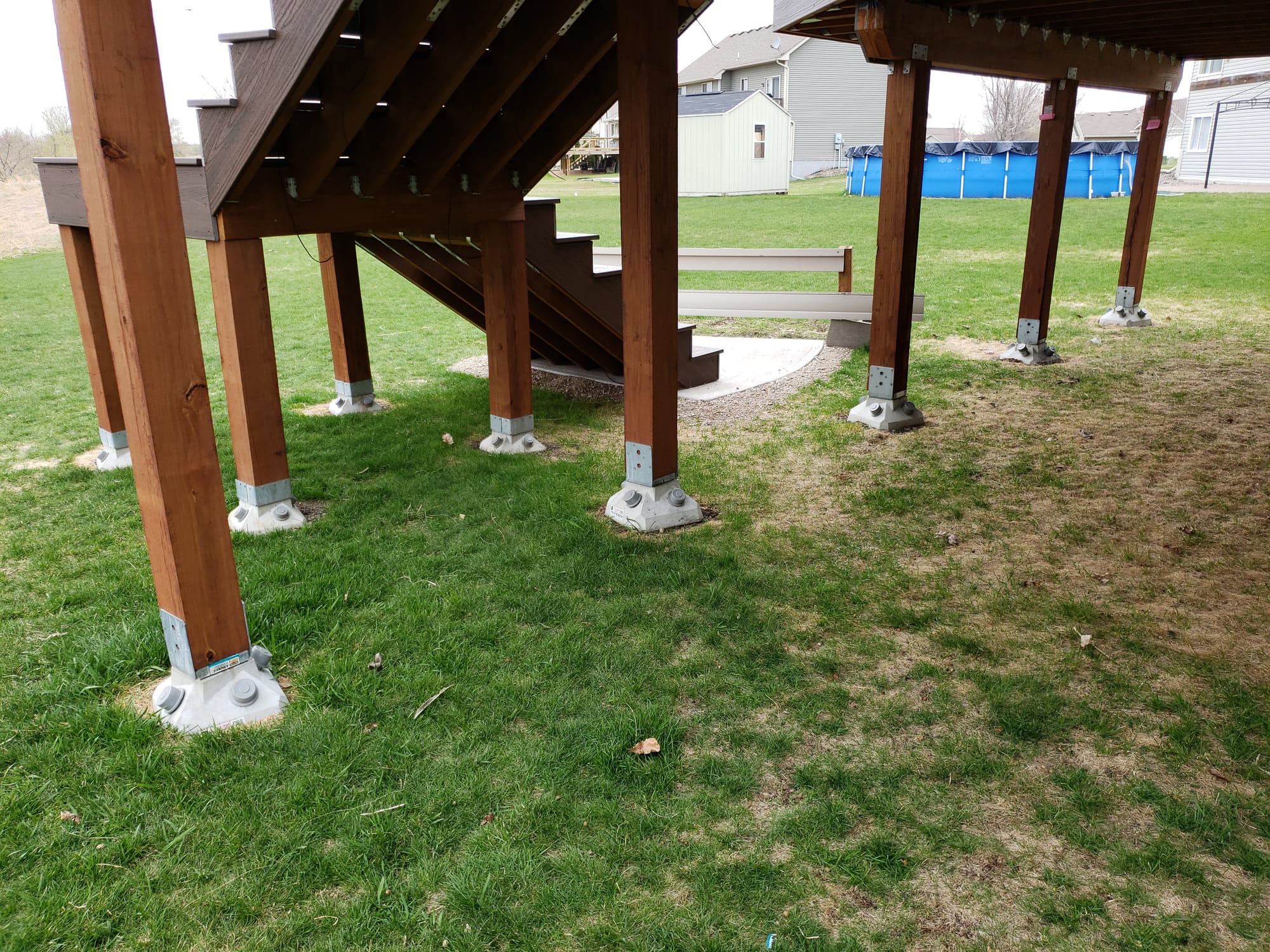
The technologically advanced Diamond Pier Foundation harnesses the strength of a precast concrete head that locks together four load-bearing, galvanized steel pins. Those pins serve to transfer a load to a larger area of soil than traditional concrete footings do. Unlike conventional field-poured concrete footings, the pins penetrate otherwise undisturbed soil. Diamond Pier Foundations stand out as fully field-tested footings for all imposed loads – bearing, uplift, and lateral – in soils rated at 1,500 psf. More product details are available at diamondpiers.com.
Eliminating Downtime
In most cases, inspections of Diamond Pier installations do not need to take place until the project’s final inspections. “You can literally build your deck and get it inspected in the end, and you can be well on your way to another project,” Oliveira says.
By comparison, concrete footing holes must be inspected before projects can move forward. A code official might arrive anywhere from hours to days. Meanwhile, job crews either stand idle or temporarily switch to other projects.
Regardless, lost time on projects adds up.
Today, Oliveira loses no time or money on digging, inspections, or concrete. Instead, crews move ahead with project work until final inspection. The reduction in crew downtime adds up to significant financial savings, Oliveira says.
Professional Solutions to Challenging Conditions
The time, labor, and money gains apply to all contractors. But those working in cold, heat, rain, and sand are particularly grateful to avoid the excavation and concrete work.
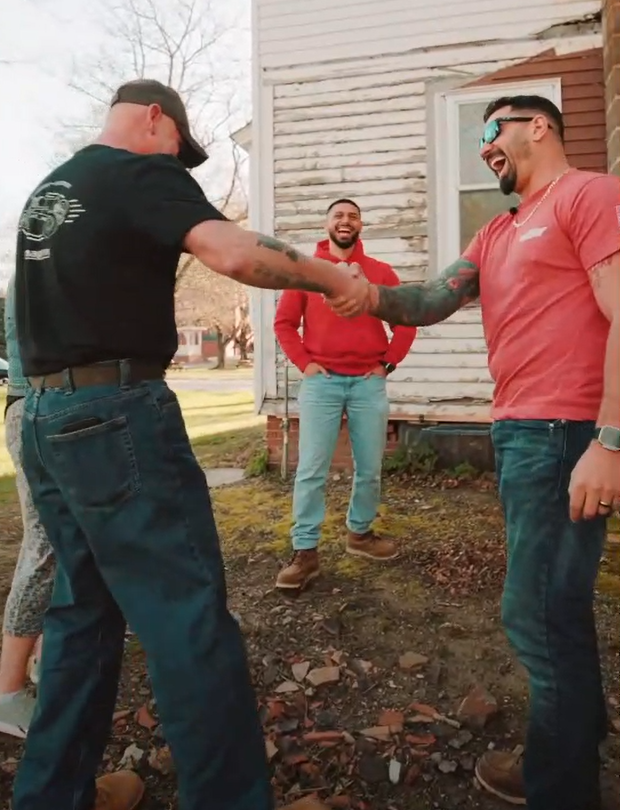
Oliveira, 37, owns and operates Pro Warrior Construction in Massachusetts and New Hampshire. In the latter, low daily temperatures in January average about 15 degrees, and inevitable cold snaps drop temperatures below zero for days at a time.
In fact, contractors in New England must dig and fill the footing holes to 4 feet deep because they must install footings well beneath the frost line to make sure heaving ground does not undermine their projects’ supports. For more information on the effects of frost heave, visit diamondpiers.com/frost-heave-other-forces.
Oliveira’s been there, done that. He’s worked in construction for 23 years and owned his company for eight years. While his crew values the no-dig upsides of Diamond Pier Foundations, Oliveira focuses on their impact on Pro Warrior’s bottom line.
A Chance Discovery
The savings began adding up thanks to a quirk of luck. About five years ago, Oliveira was surfing online when he chanced upon a video about the groundbreaking Diamond Pier Foundation technology, sending him down a “rabbit hole” of discovery and passion about it, he says. He recognized a transformative technology when he saw it – and only wished he had heard about it earlier, he says. He resolved to “give it a shot.”
Since then, Pro Warrior has bought thousands of Diamond Pier Foundations, he says, particularly for deck projects, but for other secondary residential projects as well.
Cutting Costs Without Cutting Corners
For decks, the company uses the Diamond Pier DP-50 model, offering a bearing capacity of between 3,300 and 4,400 pounds, along with best-in-class uplift and lateral capacities. He typically uses the Diamond Pier DP-75 model for small additions. The latter model supports between 3,750 and 5,600 pounds or between 4,200 and 6,400 pounds, respectively, depending on pin length (50 or 63 inches). The main model number of each, 50 or 75, roughly correlates with the weight of its concrete head.
These days, Oliveira keeps a 3-inch replica of a Diamond Pier Foundation on his desk in his Salisbury, Mass., main office so that he can show customers why he marvels at the construction time the technology saves.
For the 50 or so decks that his Pro Warrior Construction builds in a year, none of his 34 employees digs, augers, or otherwise excavates foundation-footing holes. They don't have to wait for inspections. They don’t haul, mix and pour concrete. Instead, they install the Diamond Pier Foundations, build the deck frame, install the decking and railings, call for a final inspection and – in the meantime – move on to the next site.
“All those things put together make a difference,” Oliveira says. “It’s significant savings. Just to be able to move on and start the next job makes a big difference.” On deck projects, he says, “We gain at least a day of production not having to wait for inspection. I’d say it’s a bare-minimum one day.”
Similar time savings result from using Diamond Piers Foundations in projects to construct the company’s 30 to 40 building additions a year, as well as overhangs, pergolas, and small outbuildings.
Even in his Plaistow, N.H., home for his five family members, Oliveira used 36 Diamond Piers on his deck, barn, and an overhang, he says.
“I wish I came up with the invention myself,” he says, “because – what an invention!”