
Table of Contents
In deck construction, one truth holds: if a deck’s substructure isn’t solid, nothing above it will be either. Beams and joists form the backbone of every deck. Get them right, and a project is set up for long-term success; get them wrong, and even the best decking boards can fail prematurely.
This guide takes a closer look at beam and joist performance, how they work together within the framing system, and best practices for installation and long-term protection.
Breaking down Beams and Joists
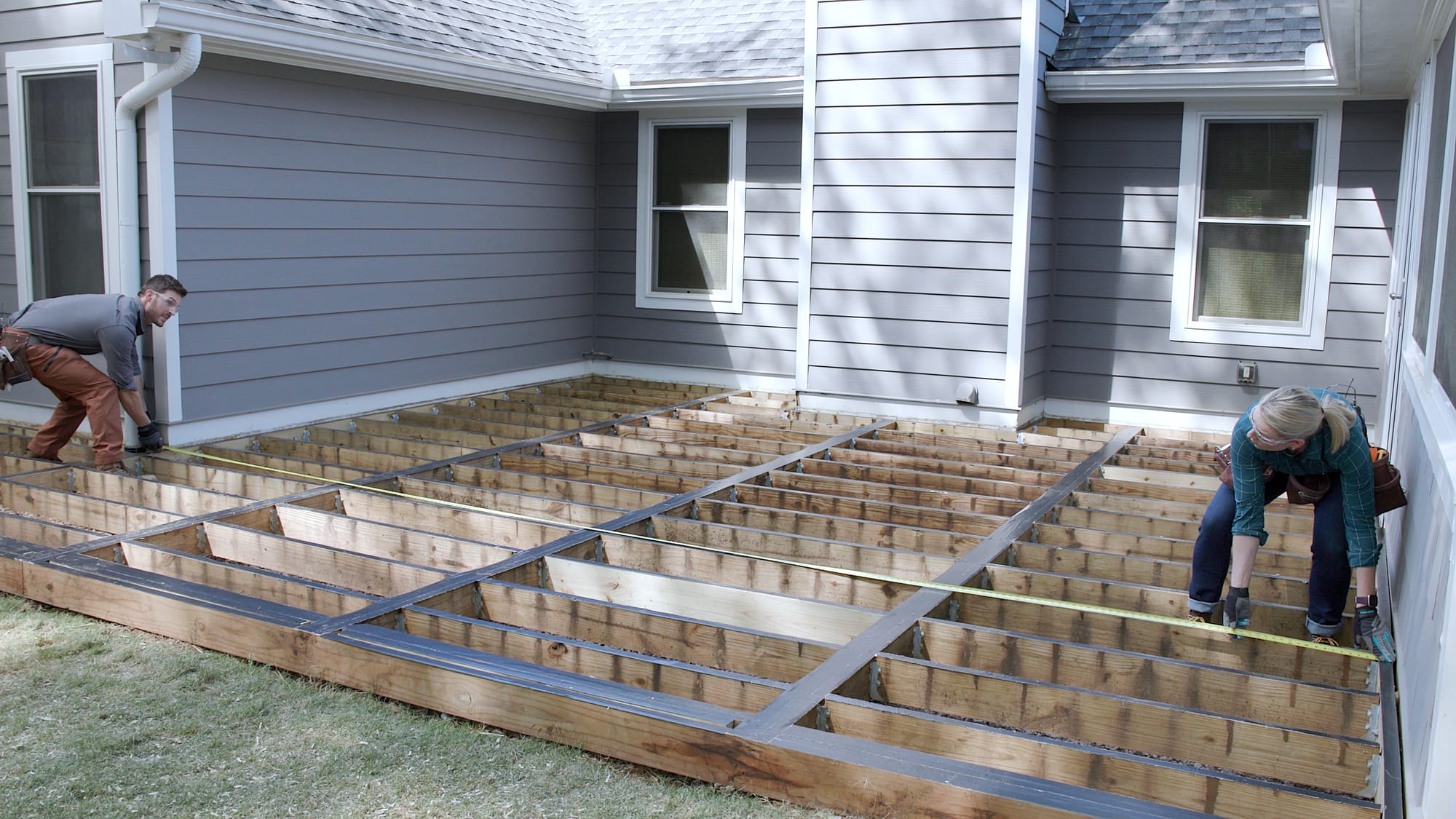
Beams serve as the primary horizontal supports, transferring loads from the framing and deck surface down to posts and footings.
Joists run perpendicular to the beams, supporting the decking and maintaining consistent spacing across the span. Together, they form the structural framework that manages load distribution and supports a stable, level deck over time.
Why Beams and Joists Matter
As the underlying structure of a deck, beams and joists perform several vital functions that directly impact stability and lifespan. Here’s why they’re so important:
- Structural Support: A deck’s stability starts with its framework. Beams and joists form the primary load-bearing grid that supports the deck’s weight and keeps it secure. This includes:
- Live Loads: Variable weight from people, furniture, and movable objects.
- Dead Loads: Fixed weight of the deck structure itself, including decking boards, railings, and stationary features like hot tubs or planters.
- Ventilation and Drainage: Properly spaced beams and joists provide airflow that helps water dissipate from beneath the deck, reducing the risk of rot and decay. This is especially critical for decks built low to the ground or in high-humidity environments. Applying a quality joist tape like Trex® Protect seals the tops of beams and joists, locking out moisture and, in turn, helping the frame last longer.
- Load Distribution: A vital role of beams and joists is weight distribution across the deck structure. Joists transfer the weight of the decking surface to the beams, which then deliver that load evenly to the footings. This balanced distribution prevents:
- Warping: Deck boards twisting or bending.
- Cupping: Boards forming a concave shape.
- Creaking: Noisy and unstable movement in the decking.
Installation Tips :
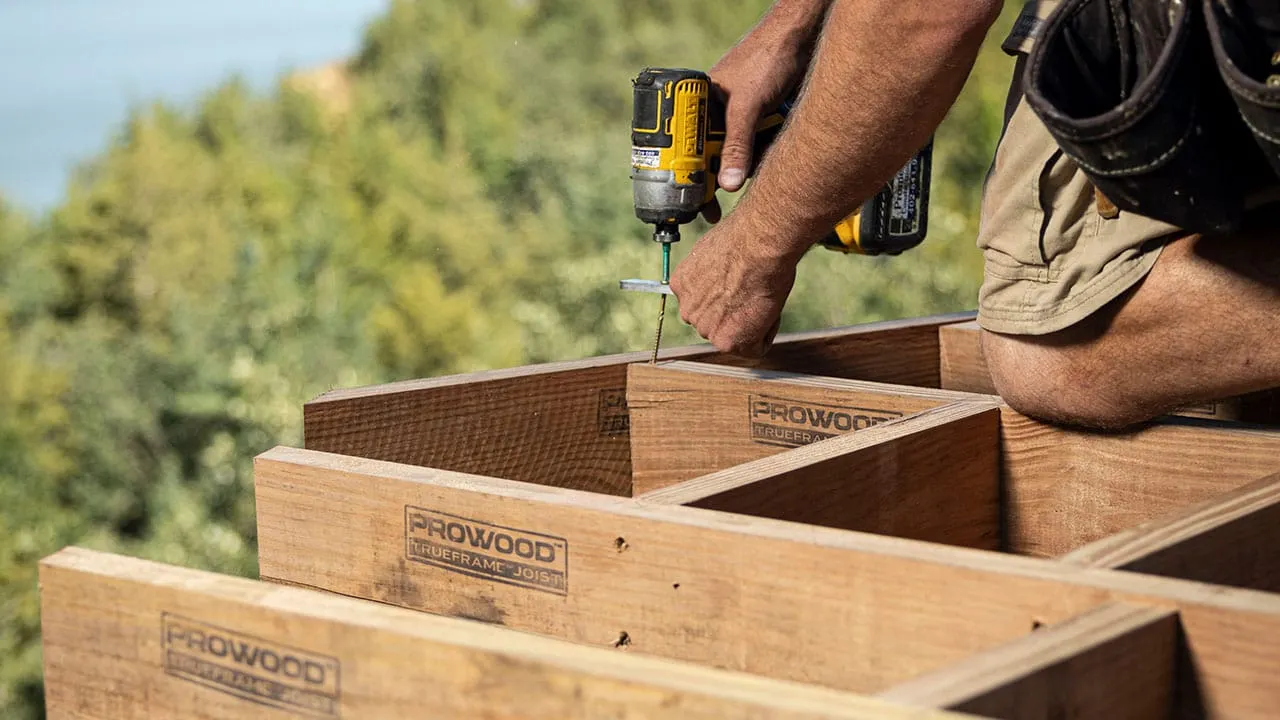
The installation of a deck plays a role in the structure’s longevity. Be mindful of both the products and the process.
- Choose Quality Materials: Investing in high-quality wood helps to ensure the substructure will last as long as the decking. Use treated structural wood or approved composite framing for beams and joists. Avoid low-grade softwoods, which are prone to twisting and decay.
- Set Proper Spacing: The ICC Digital Codes on spacing cite guidance on joist spans and deck spacing, as provided by the International Residential Code (IRC). Beam spans depend on lumber size, species, and anticipated loads.
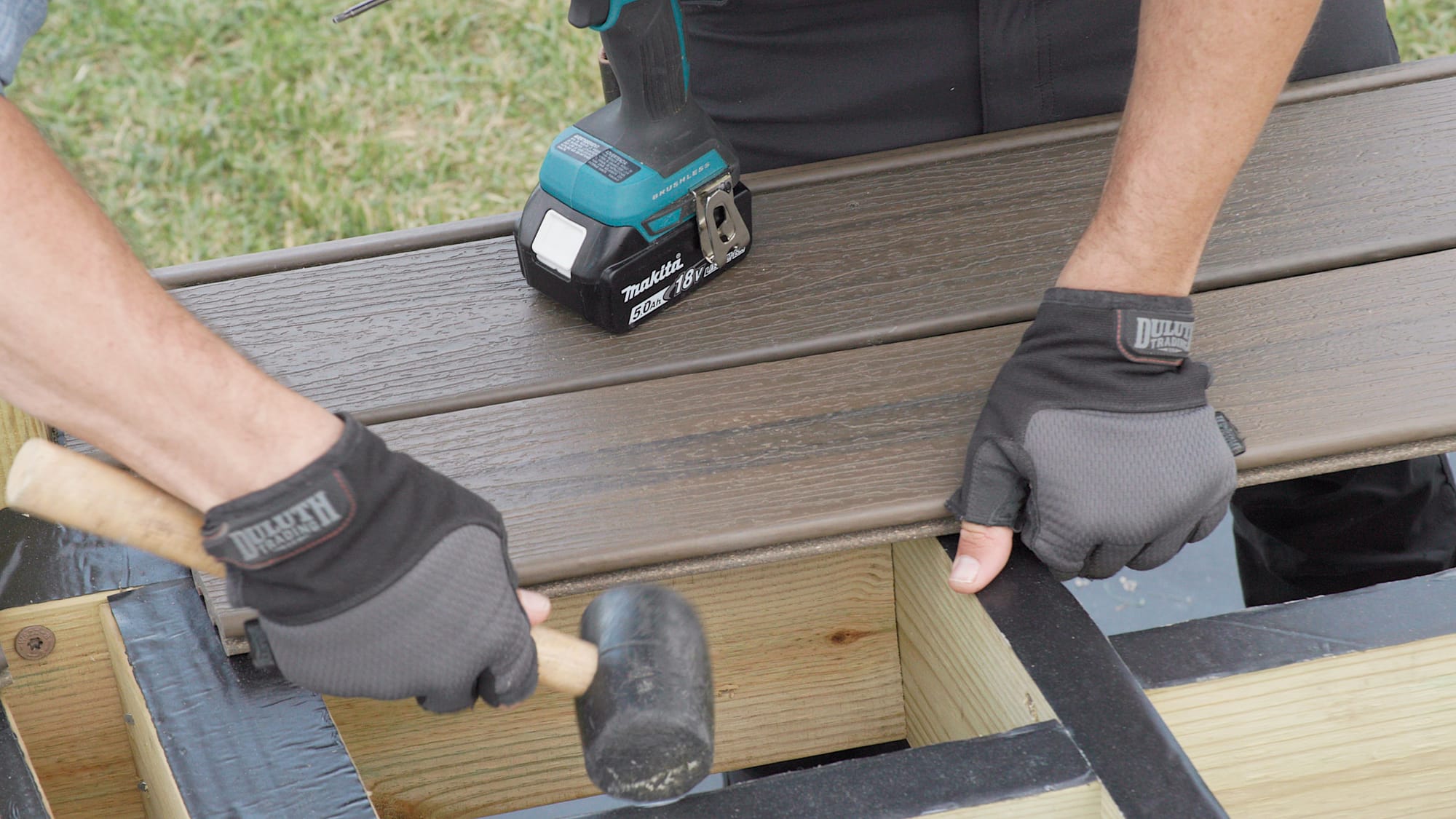
- Use the Right Fasteners: Outdoor decks need corrosion-resistant fixings. Hidden fasteners have no deck board penetration, which allows them to minimize water infiltration and reduce the risk of moisture damage. For additional protection, apply Trex Protect tape to joist and beam tops. It self-seals around any type of fastener, keeping water out and fasteners tight.
Common Issues and Solutions
Sagging Floors: If the top of the substructure feels bouncy or dips in places, those are indications of undersized or over-spanned joists. Check for cracks or soft spots and compare the spans to the proper tables. Reinforce weak areas or replace failing joists before laying down decking.
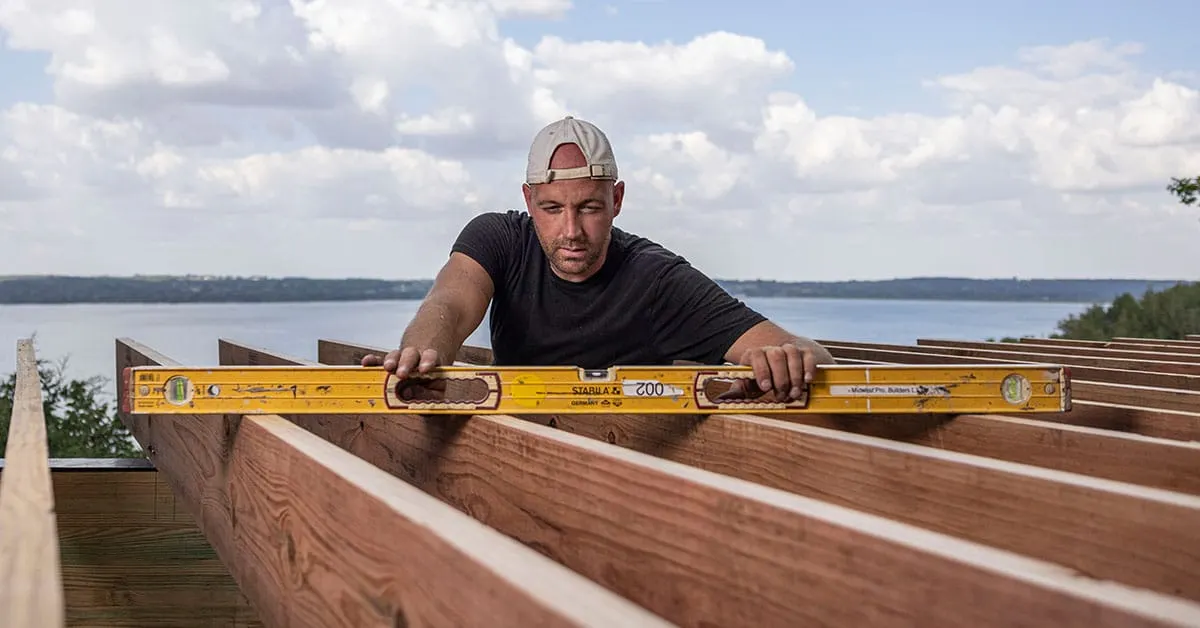
Shifting or Misaligned Beams: If posts aren’t properly anchored and adequately sized for the load, or the beams aren’t securely fastened to the posts, alignment can shift and throw off the entire frame. Check for properly sized footings or piers and always verify post spacing and beam levels. Use quality fasteners to ensure connections are square, strong, and locked in place.
Moisture Damage and Rot: Water that sits on top of beams and joists can slowly soak into wood and cause hidden rot. This usually starts around screw holes and board edges. Sealing the tops of beams and joists with joist tape, such as Trex Protect, helps block out water and preserve the structural integrity of the foundation.
In deck building, a solid foundation isn’t optional – it’s everything. When it comes to joists and beams, take the time to get them right by choosing quality materials, using proper spacing and alignment, and protecting them from moisture to ensure decks remain strong and durable for years to come.
To learn more, visit https://trexprotect.com/