
Table of Contents
Engineered to Endure
The details that separate a deck built to last 50 years from one that starts failing in 10
Deck design is the ultimate sales tool. A stunning design, crafted to fit your client’s budget and executed to perfection, is profitable the day it is finished, and the photography will sell millions in work after that. Your reputation is built on what you build.
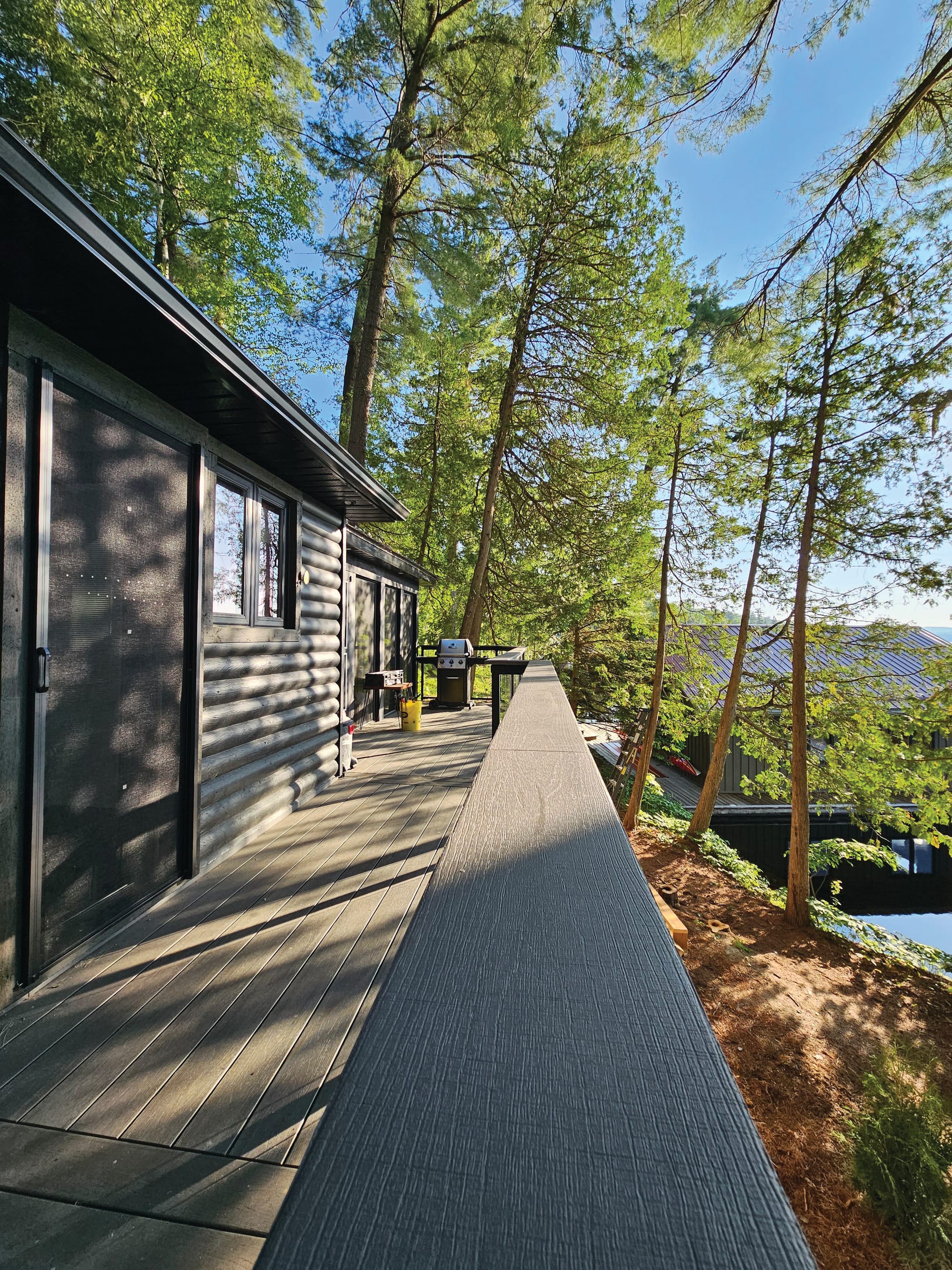
If what you build looks basic, that is fine. Maybe it is designed for efficiency and the profit is in the speed. Maybe your style runs to detailing so heavy that a project takes most of a year, which suits a certain client and sends most of the rest running. Both are real businesses. Know which one you are in, because that is where your detailing decisions come from.
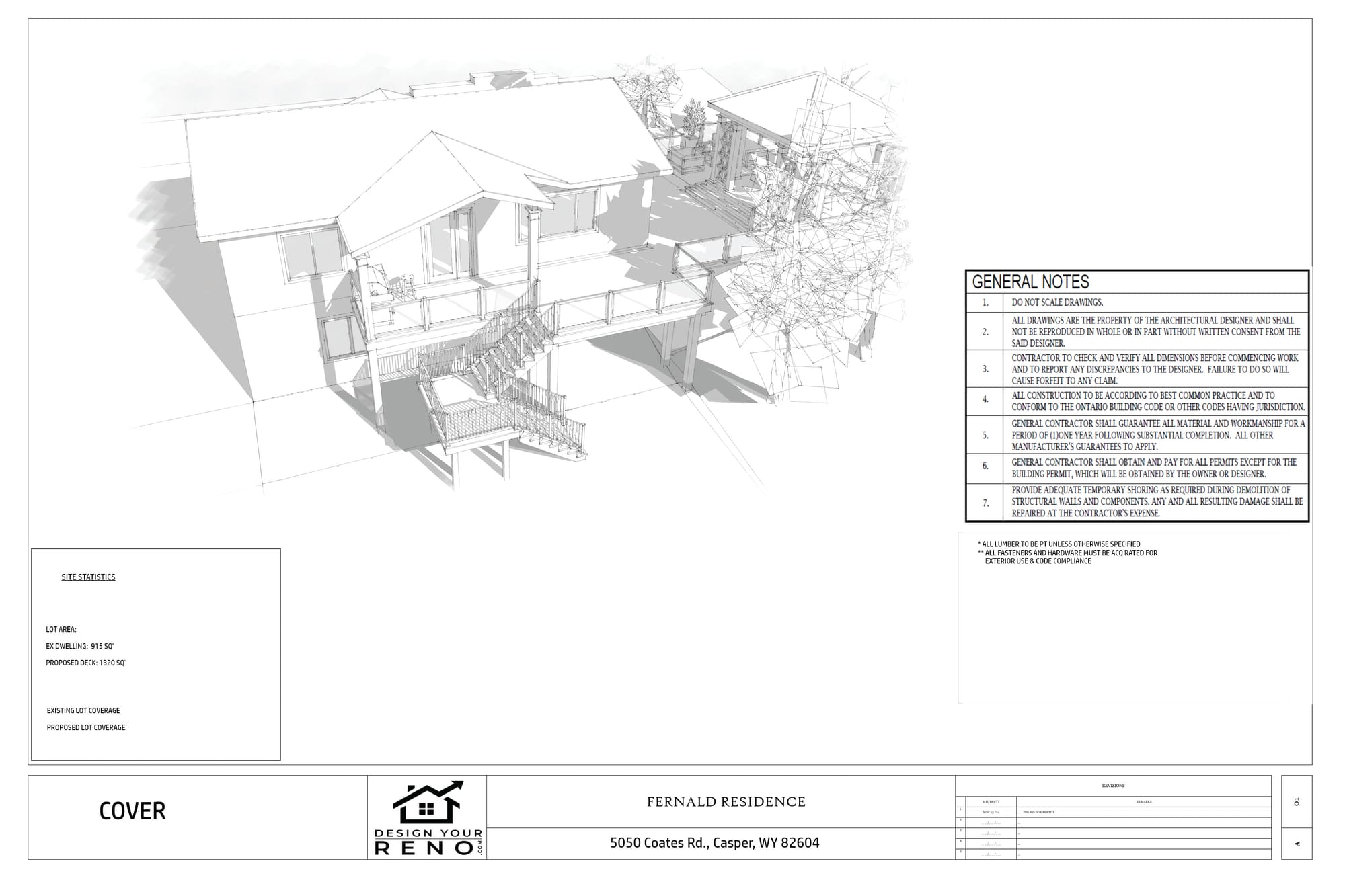
Great deck design is not just art. It is efficiency incarnate. Details that simplify labor, last longer, look better, and fit the house like it grew there. Details that cut your warranty obligation down to one or two trips a year. Those solutions belong in every design you draw, at every price point.
While part one of this series covered reading the site before you draw, and part two covered the design process and the client conversation that pays for it, this last part of the series covers what happens after they sign, where the money is either kept or handed back one warranty trip at a time.
Below is a collection of things I have witnessed that have caused injuries, collapse, premature failure and warranty voids in my 40 years of building.
ACQ Rot, Fasteners and Multi-Layer Beams
About 20 years ago, ACQ lumber replaced CCA. ACQ simply does not last as long. It requires different fasteners and brackets. Here in Ontario, we have seen five- and seven-year-old decks sagging because the middle layer of a three-ply 2x10 beam had rotted. I have personally seen ledger flashing done in aluminum disappear in five years.
The Ledger Connection
Home builders often cut corners. I have seen half-inch particleboard rim joists, missing rim joists on collapsed decks. Unflashed ledgers are likely 40% of the collapses in North America. Securing to the rim is the most critical part of the build.
When the rim is questionable, free-stand the deck on its own posts, or use a foundation bracket to support the ledger from the foundation.
Dropped Ledgers
Ledgers should be fastened in a staggered pattern within the center third of the board, into the frame of the building. If you drop the ledger 6”, your top screws are secured into material that will support the load and the bottom ones miss entirely. I have seen two collapses both under snow load. One severed a gas line.
Overspans
By overspan, I mean code minimum size. As decks age or get loaded with snow, they sag. My designs always step the joist up one size and work from the minimum spec for the smaller joist.
Screwed Frames
Deck screws are for holding decking down. I have seen many builders, even on television, screwing their frames together with deck screws. That practice is illegal in seismic zones for obvious reasons.
Lateral Bracing
Decks in motion are slowly tearing themselves apart.
Staircases
Securing a staircase to a deck and building it to last as long as PVC decking takes roughly twice the materials and work of a typical pressure treated staircase. When installing decking with a 50-year warranty, replacing the stair structure after eight years is not ideal.
Vertical Decking at the Perimeter
Many builders run a vertical piece of decking or fascia and cap the decking off around the outside. It is a much easier detail than border boards. It is also a 10-year detail. After that you are removing it and replacing it.
20’ Boards
Just because they make 20’ boards does not mean you should use them. One to 2” of expansion and contraction damages boards and fasteners at the end.
Full-Length Fascia
The amount of fascia I see falling off or wrinkled is astonishing. Many companies recommend big, ugly fasteners, but that is a band aid. The trick is a detail that uses shorter pieces of fascia.
Rail Blocking Failure
Rails are important. When a rail fails, it is a liability. I see a 2x4 scabbed in under the decking to connect the rail more often than I am comfortable with. I have seen manufacturers recommend details that are prone to rot.
Footing Failure
When you arrive in a suburb, you have no idea what was there before. We have all seen footings move. There are now engineered details for footings.
Moisture Traps
Wood does not rot because it gets wet. It rots because it stays wet. Low-skirted decks and decks waterproofed from below are always problematic since they trap moisture inside a cavity that never dries.
Code Is the Floor
Code exists so a deck does not kill anyone within a few years of the build date. It is not a standard of practice and it was never meant to be. Most code-worthy decks will only last five or 10 years.
Ask the 50-Year Question
Run every detail past one question: Will this still be doing its job in 50 years?
Lawrence Winterburn, founder and principal designer of GardenStructure.com, DesignersDecks.com, and DesignYourReno.com, is based in Southern Ontario. During his 30 years in the industry, he developed his own methods for designing and building decks and outdoor structures. His work has been featured in multiple, well-known publications. Reach him at GardenStructure.com, https://designersdecks.com and https://designyourreno.com. He can also be found on Facebook and Instagram.