

Table of Contents
If you’ve started researching a new deck or outdoor living space, you’ve likely already discovered the most frustrating answer in the industry: It depends on where you live, what you want, and how much future upkeep do you want to do.
Still, there are reliable ways to understand what your project might cost—and more importantly, what drives those costs.
Starting with the Big Picture
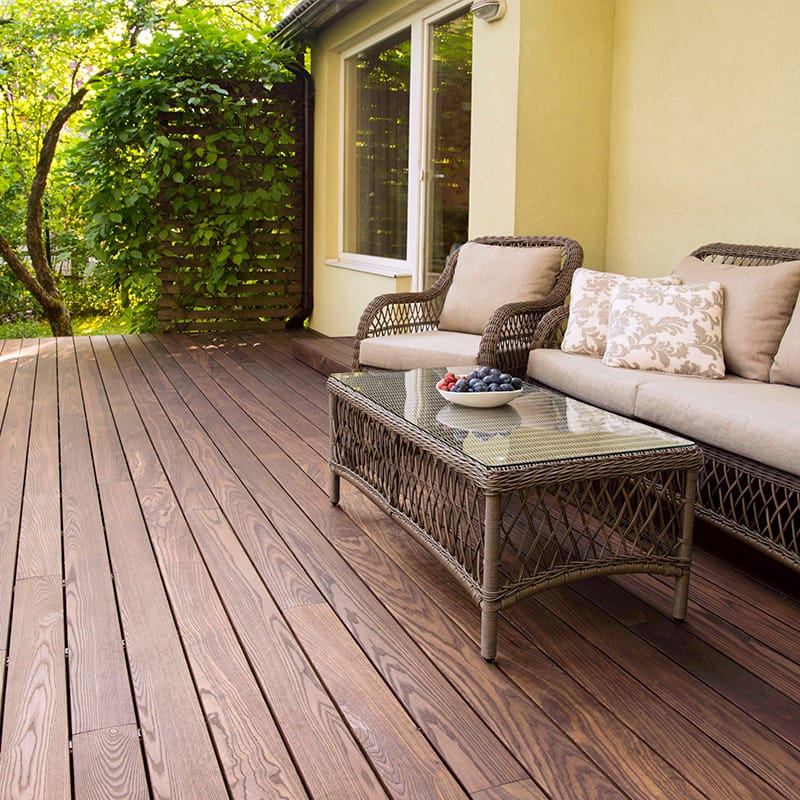
In today’s market, it’s not uncommon for a professionally built deck to range anywhere from the mid-thousands for a small, simple structure to well into six figures for a fully customized outdoor living space.
At the most basic level, deck projects are typically priced by square footage.
For a straightforward build using pressure-treated lumber, homeowners might expect to spend somewhere in the lower range of the spectrum. As materials upgrade and design complexity increases, so does the price, often significantly.
Composite and PVC decking systems, which have become increasingly popular for their durability and low maintenance, raise the material cost but reduce long-term upkeep. Hardwoods like ipé or other tropical species offer a premium aesthetic and longevity, but they also require specialized installation and come with a higher price tag.
The Foundation of Cost
Material selection is one of the biggest cost drivers, and one of the most visible.
Pressure-treated lumber remains the most budget-friendly option, but it comes with tradeoffs in maintenance and lifespan. Composite decking, on the other hand, offers consistent color, resistance to moisture and insects, and minimal upkeep. That convenience is built into the price.
Railing systems follow a similar pattern. Basic wood railings are economical, while aluminum, cable, glass, or vinyl systems can significantly increase the budget. Many homeowners are surprised to learn that railing alone can represent a substantial portion of the total project cost, especially on elevated decks or designs with multiple levels.
Then there are structural components. Hidden fasteners, upgraded framing hardware, and code-compliant connections may not be visible when the project is complete, but they are critical to safety and longevity—and they add to the overall investment.
Design Complexity Changes Everything
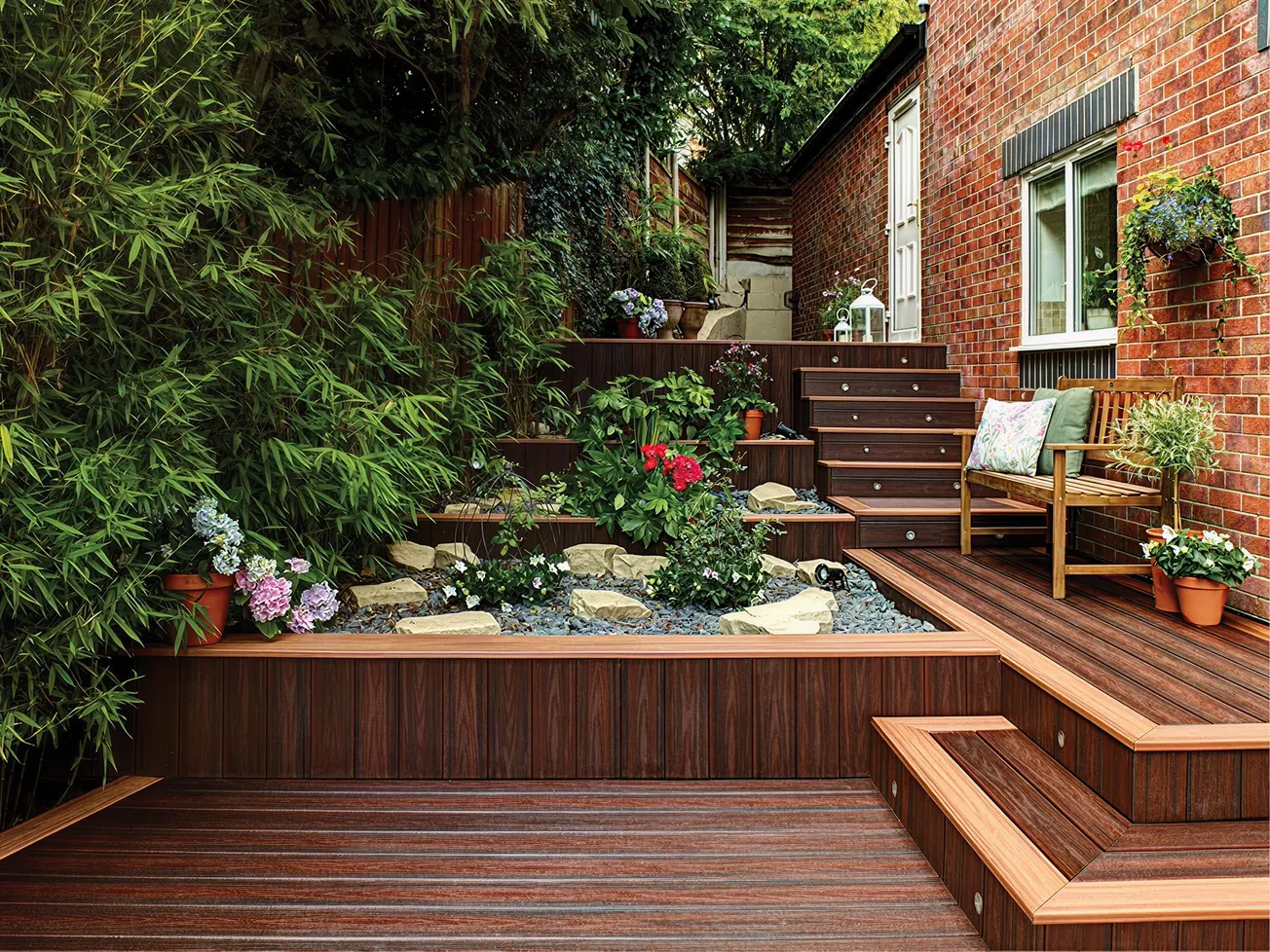
A square deck attached to the back of a house is one thing. A multi-level outdoor living space with integrated seating, shade structures, and custom features is something else entirely.
Every angle, elevation change, and design element adds labor time, materials, and coordination. Curved decking, picture framing, inlays, and custom stair systems require precision craftsmanship. That level of detail shows in the final product, but also in the cost.
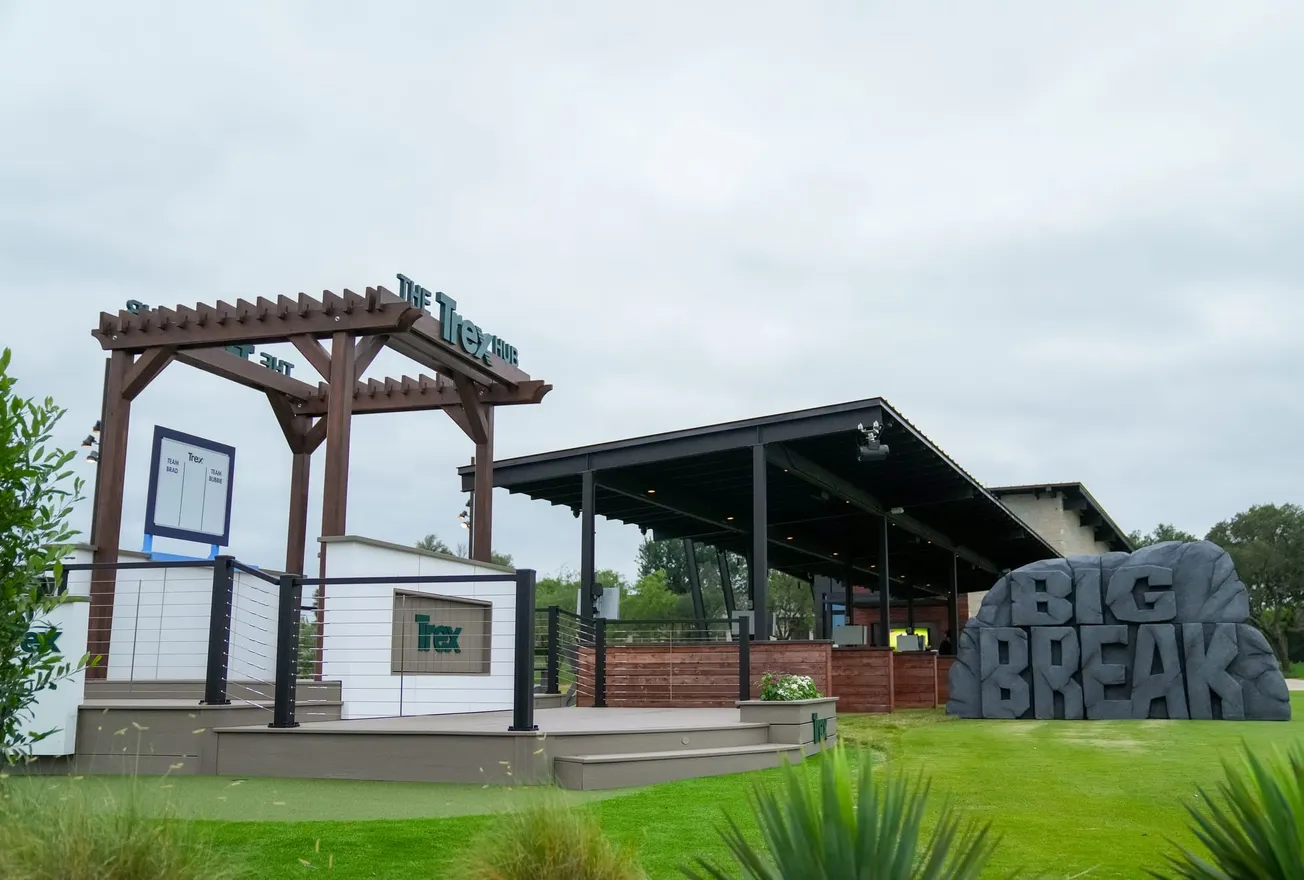
Features like pergolas, privacy screens, outdoor kitchens, fire elements, and built-in lighting systems transform a deck into a true outdoor living environment. They also introduce additional trades, engineering considerations, and permitting requirements.
Site Conditions Matter More Than You Think
Two identical deck designs can have very different costs depending on where they’re built.
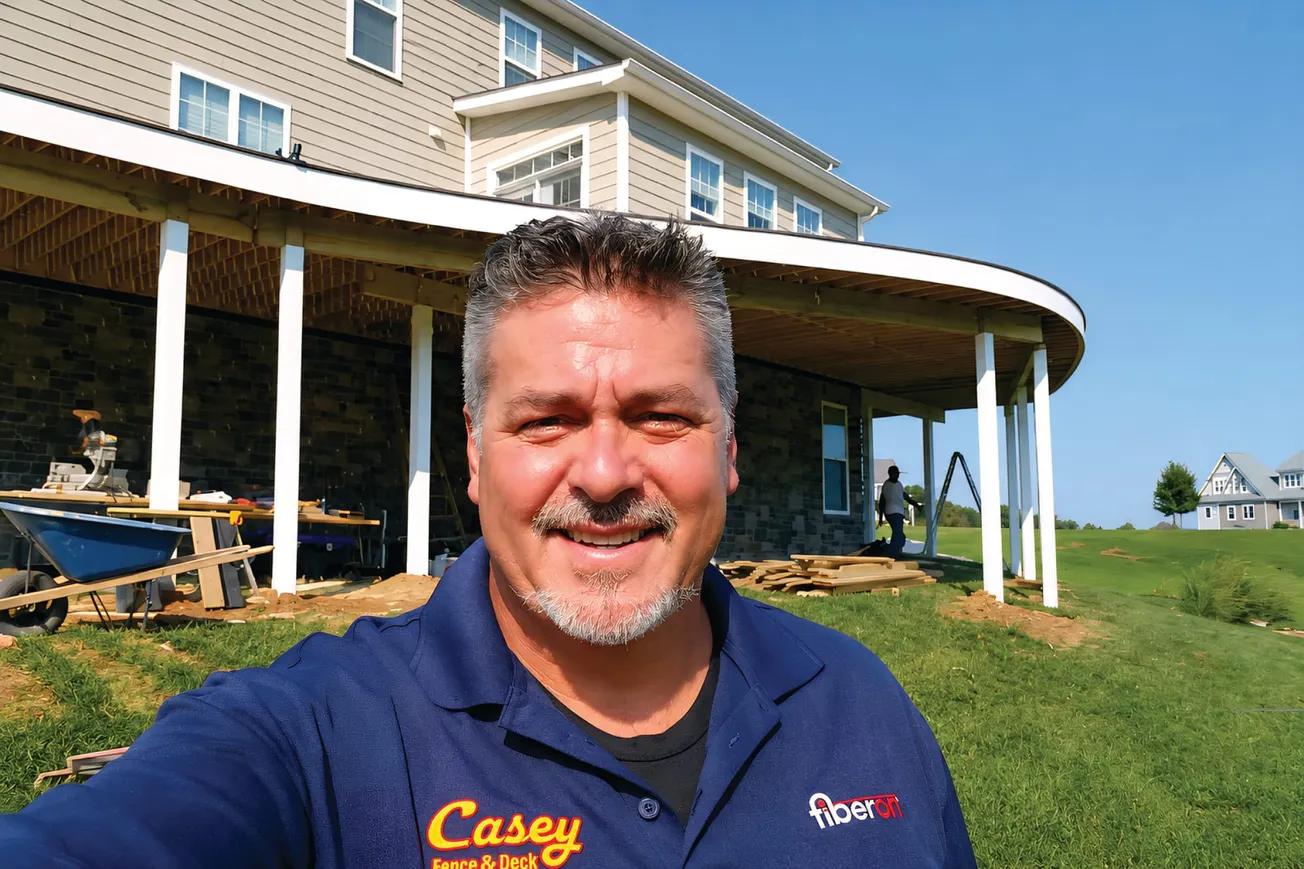
A flat, easily accessible backyard is ideal. But sloped terrain, limited access, poor soil conditions, or the need for extensive footings can quickly increase labor and engineering requirements. Elevated decks, in particular, require more structural support, safety considerations, and often more complex permitting.
Regional Considerations
In parts of the U.S., particularly throughout the West, building in Wildland Urban Interface (WUI)—areas where homes and communities are built next to natural vegetation and are at higher risk for wildfires—comes with heightened fire-safety requirements that directly impact material selection. In these zones, Class A or fire-retardant decking materials are essential. These products are engineered to slow flame spread and reduce ignition potential, giving homeowners an added layer of protection without sacrificing performance or aesthetics.
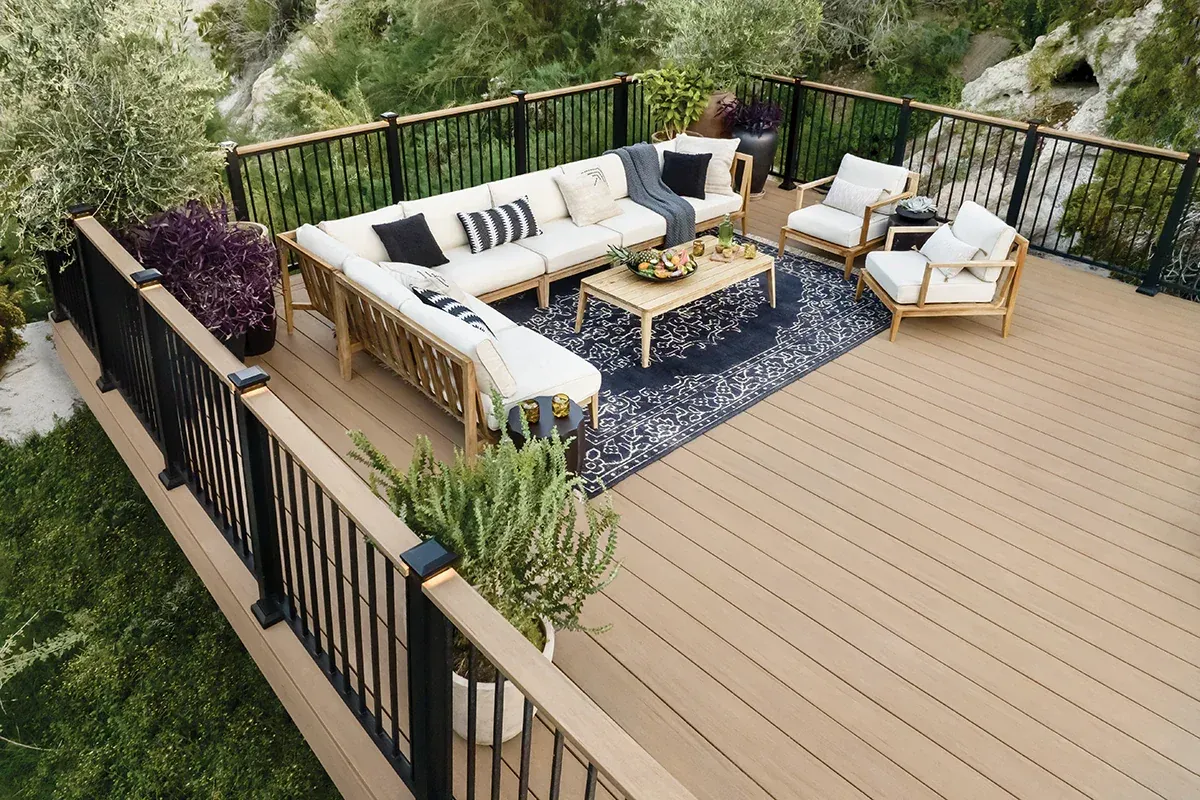
As wildfire risk continues to shape building practices, manufacturers like Trex (Refuge decking), TimberTech (Advanced PVC decking - Vintage and Landmark collections), Fiberon (Sanctuary and Good Life FR composite decking and Deckorators (Altitude and Vista) - Class B fire-rated PE composite decking approved for WUI areas) have responded by expanding their offerings to address the needs of homeowners building in these environments.
Regional conditions extend well beyond fire zones. In the Northeast, for example, decks must be built to withstand freeze-thaw cycles, snow loads, and prolonged moisture exposure, conditions that can quickly compromise materials not suited for that climate. Proper spacing, drainage, and material selection become critical to preventing premature deterioration.
In coastal regions like Florida, building codes are heavily influenced by the potential of hurricane activity, requiring enhanced structural connections, wind resistance, and corrosion-resistant hardware.
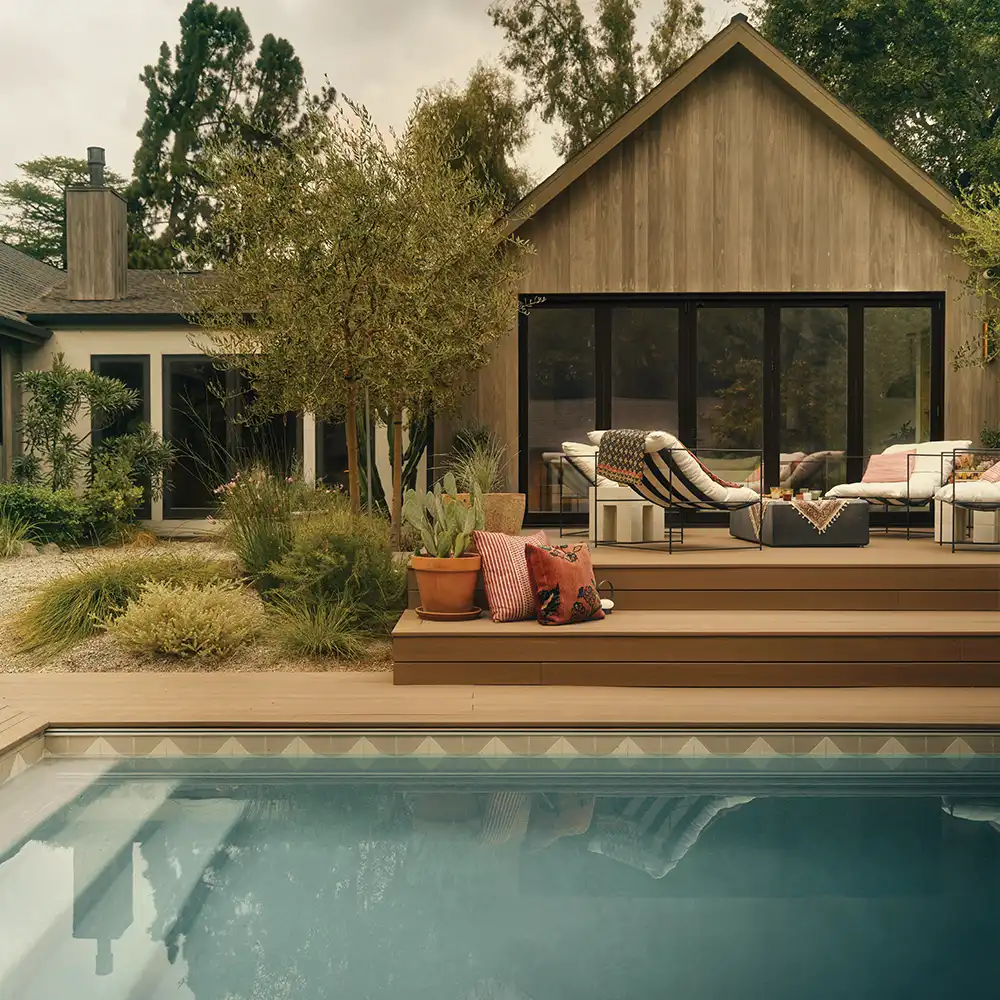
The takeaway is simple: a deck that performs well in one part of the country may not hold up in another. Understanding your region’s specific environmental and code requirements, and building accordingly, is key to ensuring long-term durability and safety.
Permits, Codes, and Inspections
Permitting is another factor that homeowners don’t always anticipate. Depending on your location and the scope of the project, permits and inspections are typically required.
These processes ensure the structure is built safely and to code, but they also add time and cost. Engineering drawings, especially for larger or more complex decks, may also be necessary.
While it can be tempting to skip this step, unpermitted work can create significant issues when it comes time to sell your home—or worse, if structural problems arise.
Skilled Labor
Labor is often one of the largest portions of the budget, and for good reason. Building a safe, durable, and code-compliant deck requires skilled professionals.
Experienced contractors understand load requirements, attachment methods, drainage, ventilation, and how different materials behave over time. They also coordinate inspections, manage crews, and ensure the project meets local building codes.
Choosing a contractor based solely on the lowest bid can lead to shortcuts in these critical areas. The result may look acceptable initially but can lead to costly repairs—or safety issues—down the road.
Budgeting for the Full Experience
One of the most common mistakes homeowners make is focusing only on the deck surface itself. In reality, the most successful projects are those that consider the entire outdoor living experience.
Lighting, access points, landscaping transitions, and how the space connects to the home all play a role. Even furniture and shade solutions should be part of the early conversation, as they influence layout and design decisions.
Planning for these elements upfront helps avoid costly changes later.
So, What Should You Expect to Spend?
While every project is unique, a helpful way to think about cost is in tiers:
- Entry-level projects focus on function and basic materials.
- Mid-range projects incorporate upgraded decking, railing systems, and moderate design elements.
- High-end outdoor living spaces include premium materials, custom design, and integrated features that extend well beyond the deck itself.
The key is aligning your budget with your goals. Are you looking for a simple outdoor platform, or are you creating a destination space for entertaining and relaxing?
The Bottom Line
Building a new deck or outdoor living space is an investment, not just in your home, but in how you use it.
The most valuable projects are those that balance design, materials, and craftsmanship with a clear understanding of cost from the start. By working with a qualified professional and defining your priorities early, you can create a space that fits both your vision and your budget without surprises along the way.
To learn more about WUI, visit the California Office of the State Fire Marshal (OSFM) website at https://osfm.fire.ca.gov.