
Table of Contents
The global outdoor living structure market is experiencing strong expansion as homeowners increasingly transform outdoor spaces into functional extensions of their homes. Valued at $3 billion in 2023, the market is projected to grow at a CAGR of 6.5% between 2024 and 2034, reaching US$ 6.1 billion by 2034.
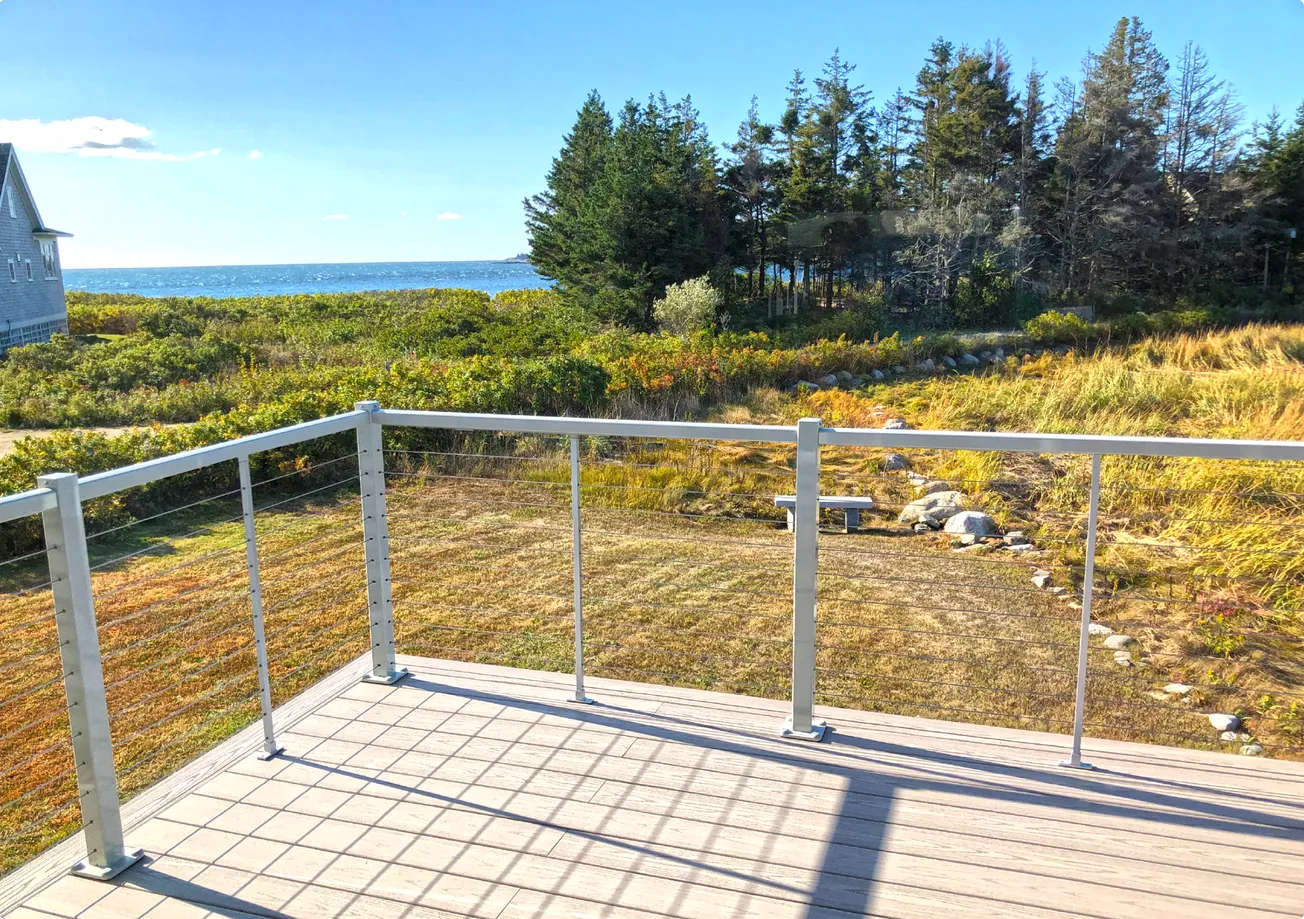
Outdoor living structures, including pergolas, gazebos, cabanas, decks, pavilions, awnings, and backyard shelters, are becoming central to residential lifestyle enhancement as consumers invest in durable, aesthetic, and weather-resilient designs. With outdoor living aligning with broader home improvement and wellness trends, the market is entering a phase of long-term opportunity.
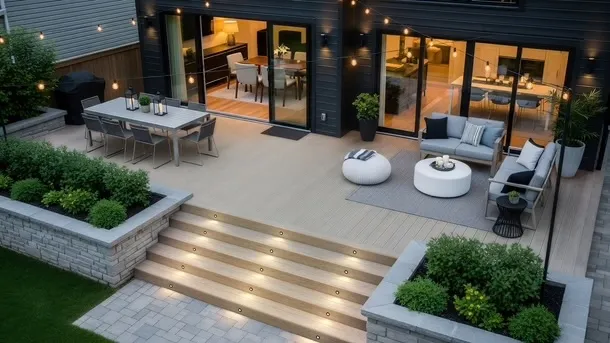
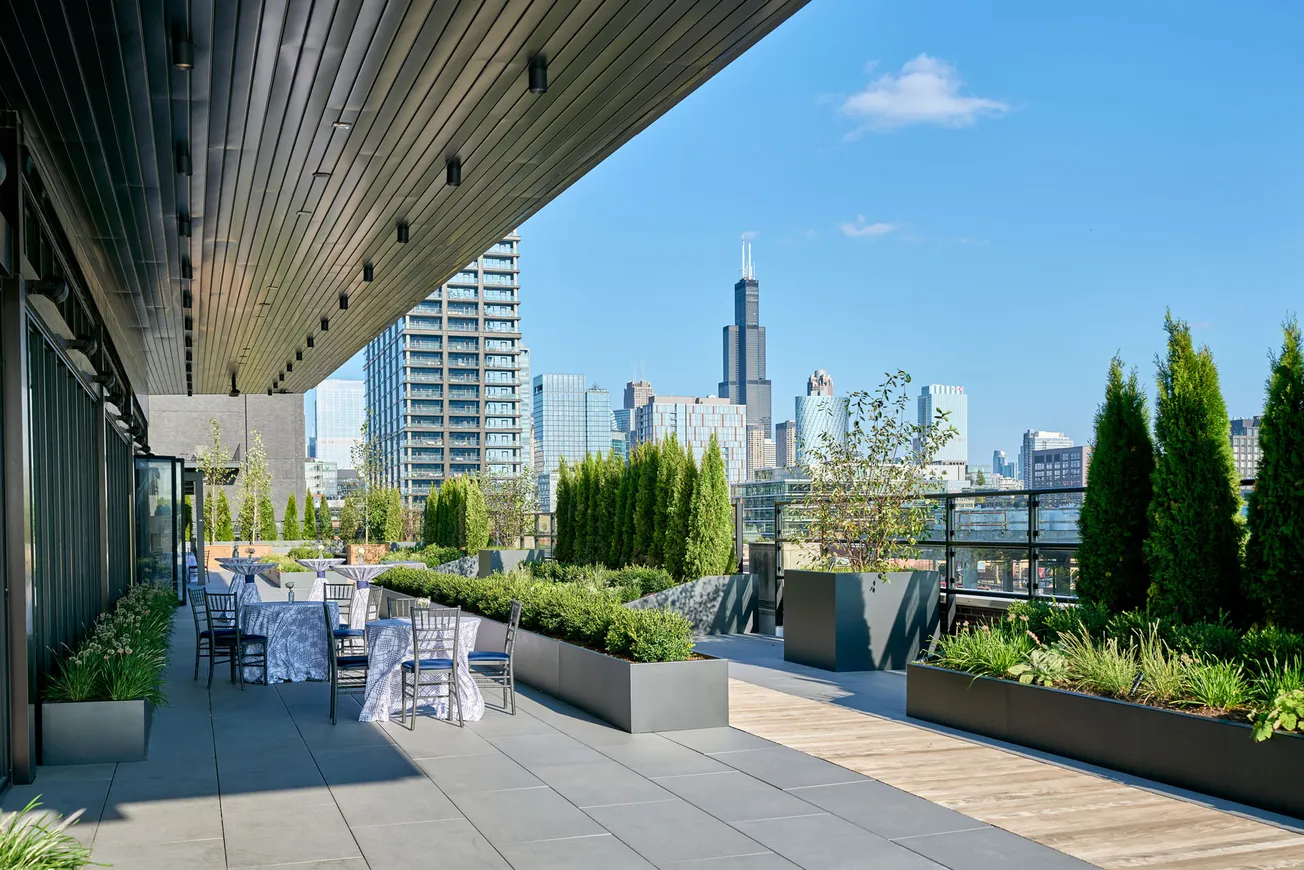
Outdoor living structures have become essential components of modern residential design, reflecting a shift toward maximizing usable space for entertainment, relaxation, and multifunctional family activities. Demand is rising across both spacious and compact environments, including patios, terraces, rooftops, and backyards. Remote working has further increased interest in outdoor workspaces equipped with shelter, seating, and weather protection, supporting adoption across luxury and mid-scale residential projects.
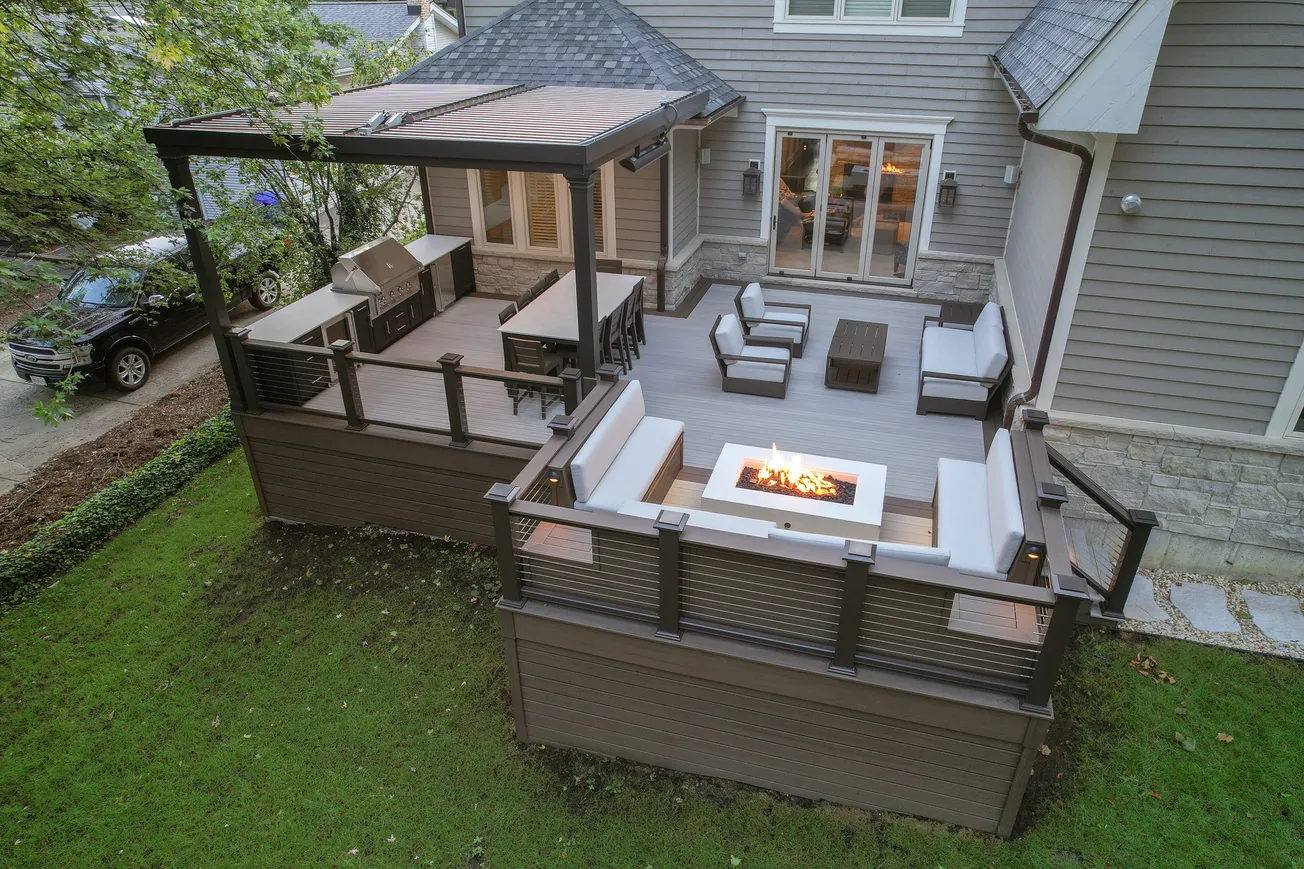
Lifestyle changes, home renovation activity, and health-oriented outdoor living are major drivers of growth. Homeowners are using outdoor areas for yoga, meditation, barbecuing, social gatherings, and relaxation, with renovation spending remaining strong across global markets. The rising popularity of outdoor kitchens, integrated seating, fire pits, and weather-protected entertainment zones is encouraging installation of structures that provide comfort and convenience. Climate adaptation and sustainability trends are also shaping demand, with consumers seeking weather-resistant materials, recycled content, certified woods, and metal alternatives.
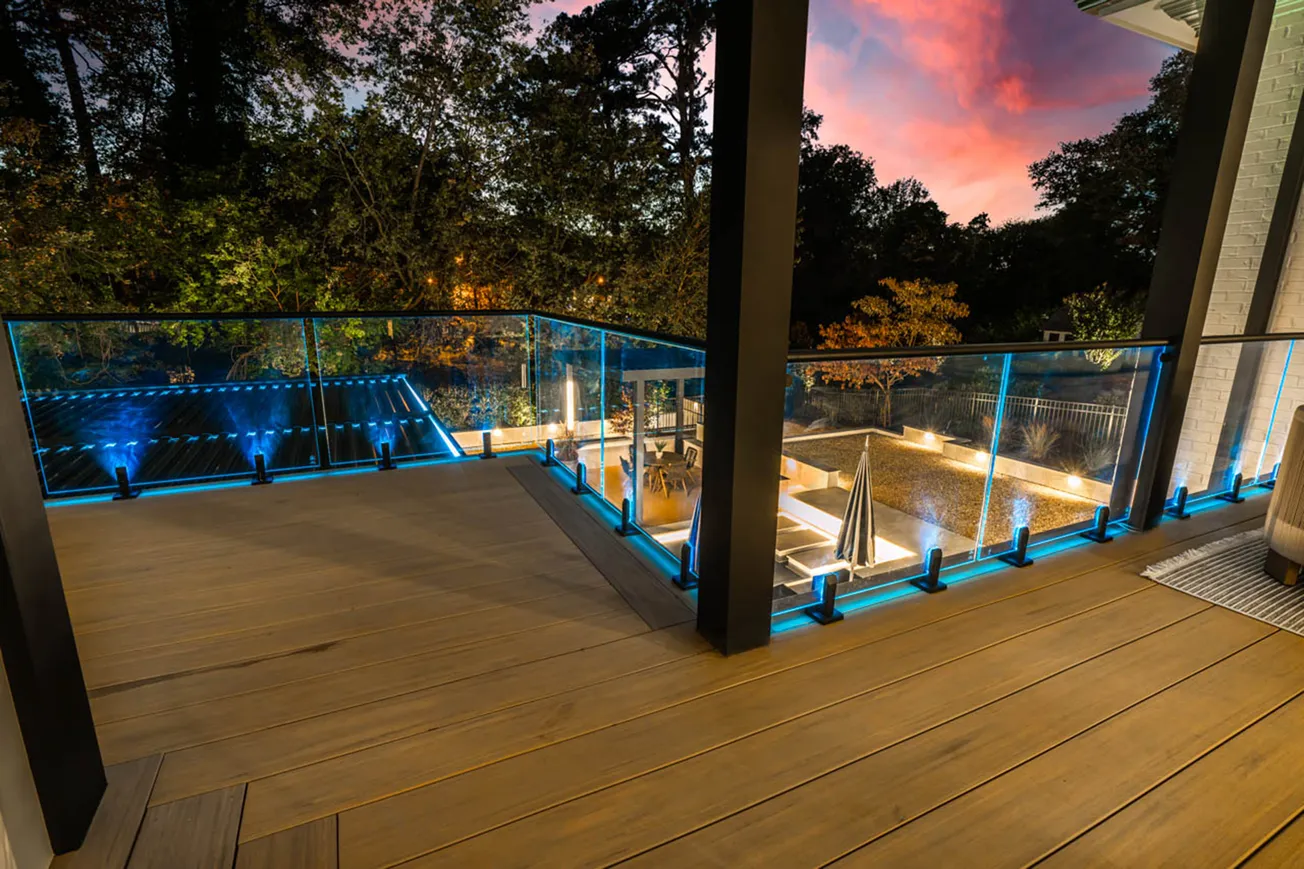
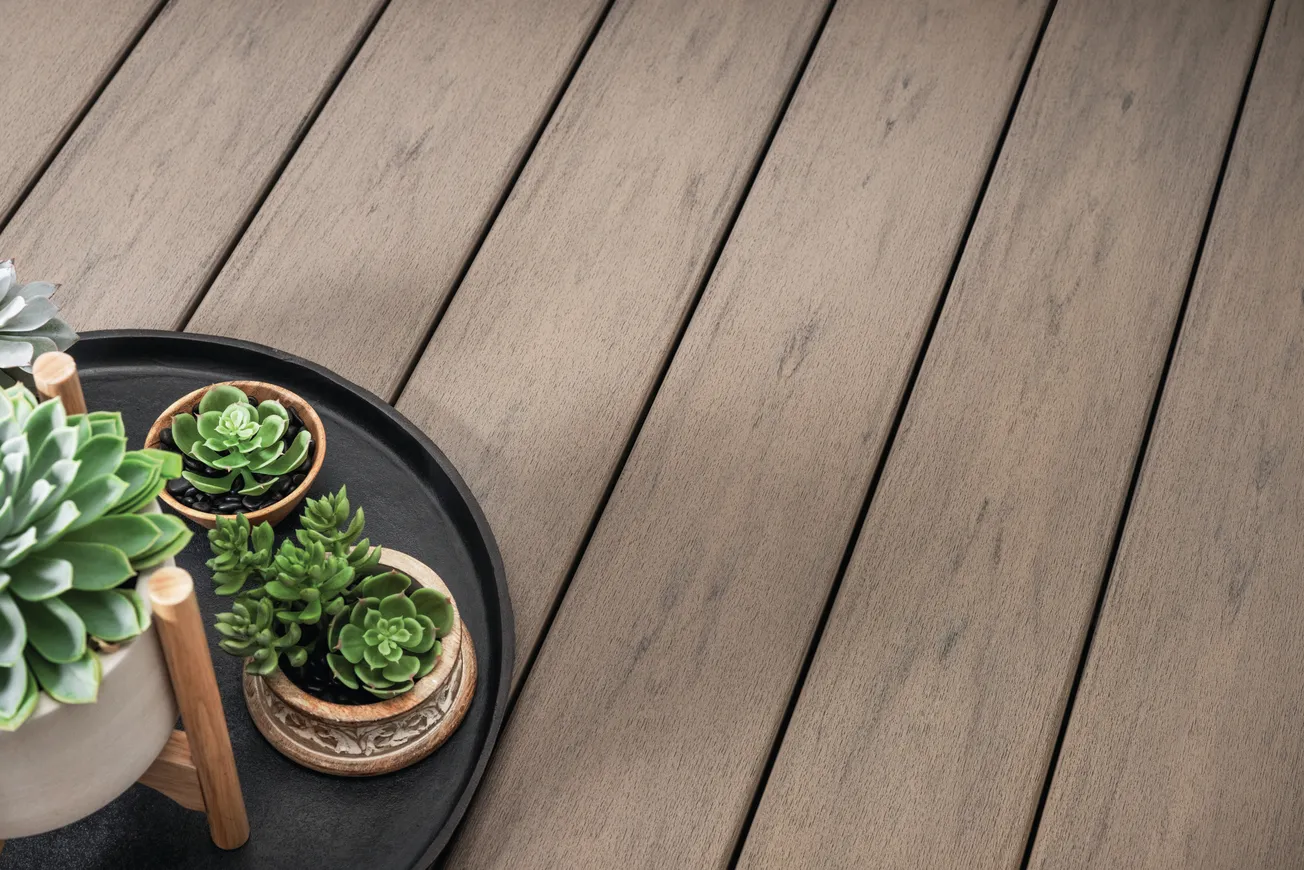
Technology and materials innovation continue to influence market development. Advancements in aluminum, composite wood, UV-resistant polymers, vinyl, and engineered timber are enhancing durability and performance. Smart outdoor structures—featuring automated louvered roofs, motorized canopies, integrated LED lighting, heating systems, mist cooling, and climate controls—are transforming outdoor spaces into functional living areas. Aesthetic customization and the rise of modular and prefabricated designs are supporting ease of installation and reduced construction time.
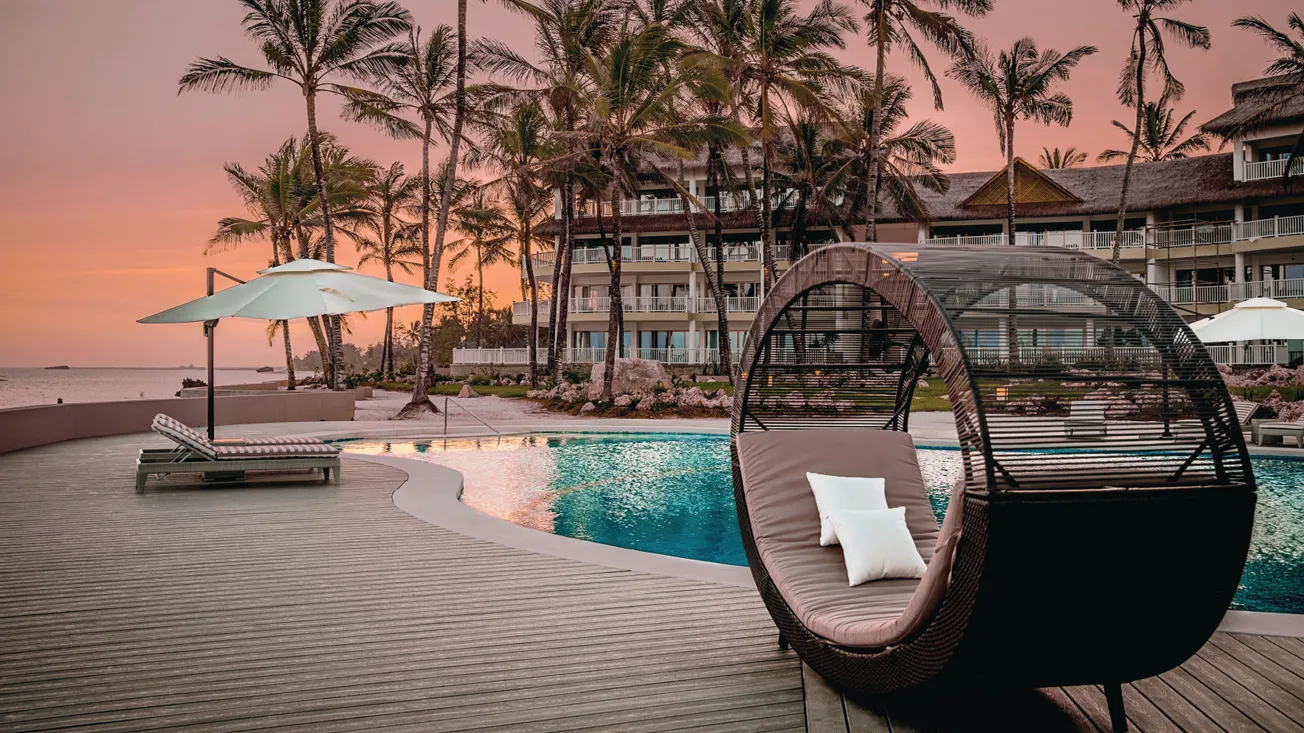
Residential applications remain dominant, though commercial adoption is increasing. Homeowners are investing in structures for private outdoor spaces, including areas for dining, home spas, hot-tub enclosures, and children’s play zones. Commercial sectors such as restaurants, hotels, resorts, wellness centers, and co-working spaces are using outdoor structures to enhance guest experiences and expand functional space.
North America leads the market, with Europe maintaining strong demand and Asia Pacific emerging as the fastest-growing region. The Middle East also demonstrates strong adoption due to climate conditions and luxury development trends. Competitive activity is shaped by innovation, customization, and strategic partnerships, with companies focusing on flexible designs, technology-integrated upgrades, sustainability initiatives, and DIY-friendly modular kits.
The market is expected to double in size by 2034 as smart technologies, eco-friendly materials, and customizable modular systems continue to influence design and construction. Outdoor spaces will remain a priority in renovation and new construction as consumers seek stylish, functional, and climate-resilient solutions.
Source: Transparency Market Research.